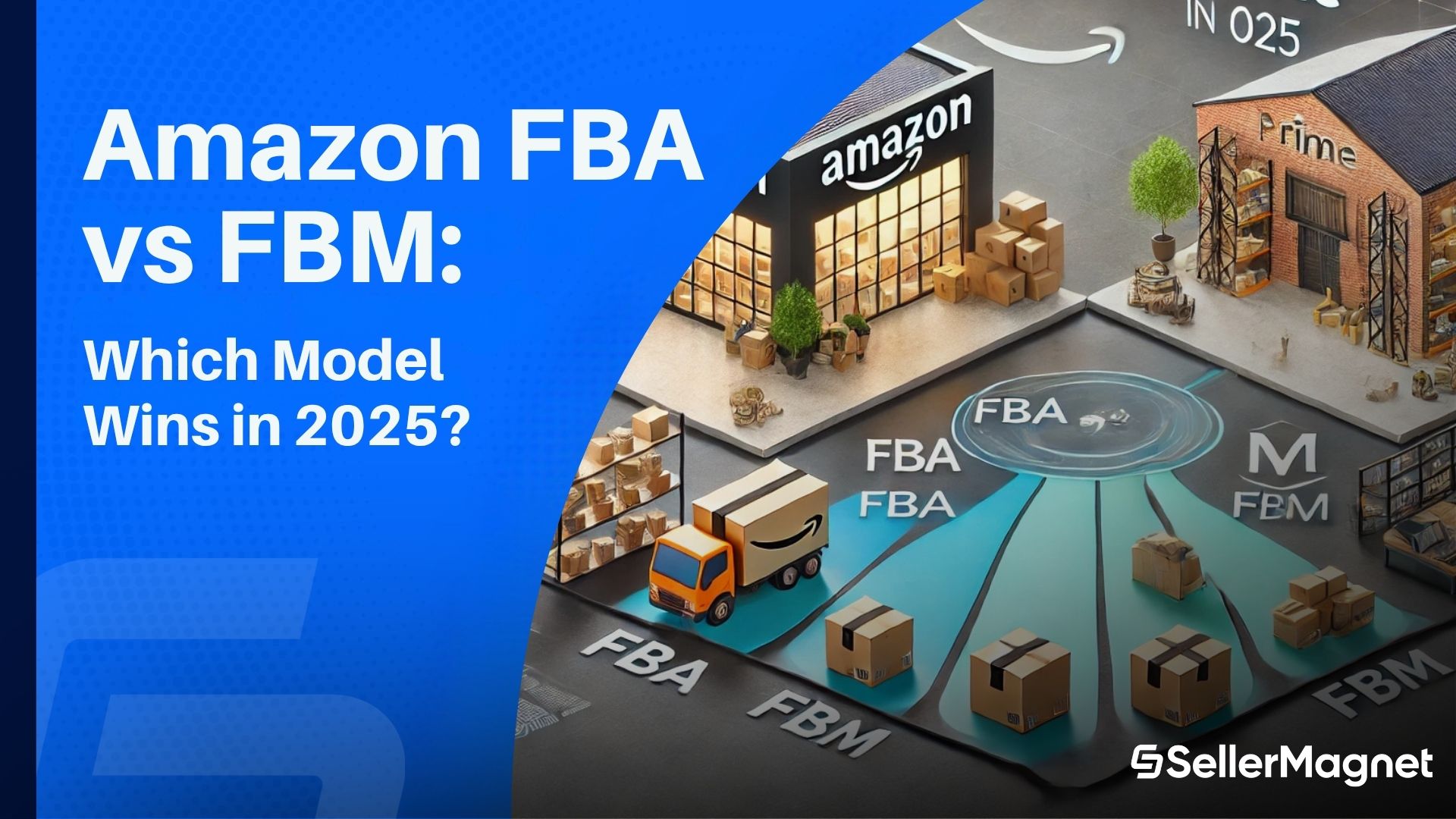
Amazon FBA vs. FBM: Which Model Wins in 2025?
Amazon FBA vs. FBM: Which Fulfillment Model is Best for 2025?
Introduction: The Big Decision
What is Amazon FBA?
- Prime Eligibility: FBA products are eligible for Amazon Prime, giving them higher visibility and improving sales potential.
- Scalable Solution: Amazon’s fulfillment network supports rapid business growth.
- Hands-Off Logistics: You don’t need to manage storage, shipping, or returns.
What is Amazon FBM?
- Lower Costs for Large Products: FBM is ideal for bulky or oversized items that incur high FBA fees.
- Full Control: You manage inventory and shipping, allowing for a more customized customer experience.
- Avoid Long-Term Storage Fees: Since you control your storage, you avoid Amazon’s long-term storage costs.
When to Choose FBA
- Fast-moving, lightweight products that sell frequently.
- Sellers who prioritize scalability and want to avoid managing logistics.
- Businesses that want Prime eligibility for their listings, which can significantly boost sales.
- Those who prefer to focus on marketing and product development rather than shipping operations.
When to Choose FBM
- Oversized or bulky items that incur high FBA fees.
- Sellers with existing warehouse space and logistics capabilities.
- Niche products that sell slower and are not ideal for Amazon’s fast-turnover environment.
- Businesses that want to maintain full control over their inventory and shipping processes.
The Hybrid Model: Best of Both Worlds
Example:
- Use FBA for small, high-volume products to gain Prime eligibility and fast delivery.
- Use FBM for oversized or seasonal products, keeping costs low while maintaining control.
How SellerMagnet Helps Optimize FBA and FBM Strategies
For FBA Sellers:
- Profit Dashboard: Monitor fees and net profit per order, product and marketplace.
- Amazon Repricer: Stay competitive by automatically adjusting your pricing to win the Buy Box.
- Inventory Alerts: Avoid overstocking and prevent long-term storage fees.
For FBM Sellers:
- Product Research Tool: Identify high-margin products suitable for FBM.
- Sales Analytics: Track performance and optimize your pricing strategy.
- Shipping Cost Calculator: Compare fulfillment options to reduce expenses.
Final Thoughts: FBA or FBM?
- Choose FBA if you want automation, Prime eligibility, and scalable logistics.
- Choose FBM if you prioritize cost control, inventory flexibility, and a personalized customer experience.
Conclusion: Leverage SellerMagnet for Fulfillment Success
Stop Juggling Tools. SellerMagnet Combines Everything You Need.
Join a smarter way to manage your Amazon store.

Recommended Articles
FBA Shipment Delivered but Not Checked In: Timeline and How to Claim
A delivered-but-not-checked-in FBA shipment is usually a normal lag, not a loss. How long each receiving stage takes, when reconciliation opens, and the exact claim window and reimbursement rules.
Amazon Unfulfillable Inventory in Europe: The 14-Day Disposal Rule Expands on 28 October 2026
From 28 October 2026 Amazon disposes of unfulfillable FBA stock after 14 days in 10 UK and EU stores, now including Belgium and Ireland. Fees, settings and a worked example.

Got a Design Patent Infringement Claim on Amazon? What to Do Next
A design patent claim on Amazon is about appearance, not function. Who can file it, the patent checks to run first, the reply Amazon asks for and how to write it.
Amazon IPI Score 2026: What It Is, Why It Dropped, and How to Fix It
What the Amazon IPI score actually measures, why FBA capacity limits no longer use one fixed threshold in 2026, and the exact fix for each of the four categories that move it.
How to Reduce Amazon FBA Fees: Size Tiers, Weight, Storage
Amazon bills FBA fees on size tier, dimensional weight, inbound split and storage days, not your product. The 2026 thresholds and a worked packaging example.
Amazon Quick for Sellers: Can and Can't It See?
Amazon's own Seller Central announcement on Amazon Quick and the Selling Partner plugin: what it can tell a connected seller, and what still needs Seller Central.