PROMO25% OFF any plan with code SUMMER25
203 amazon prep center
FBA Inventory Management

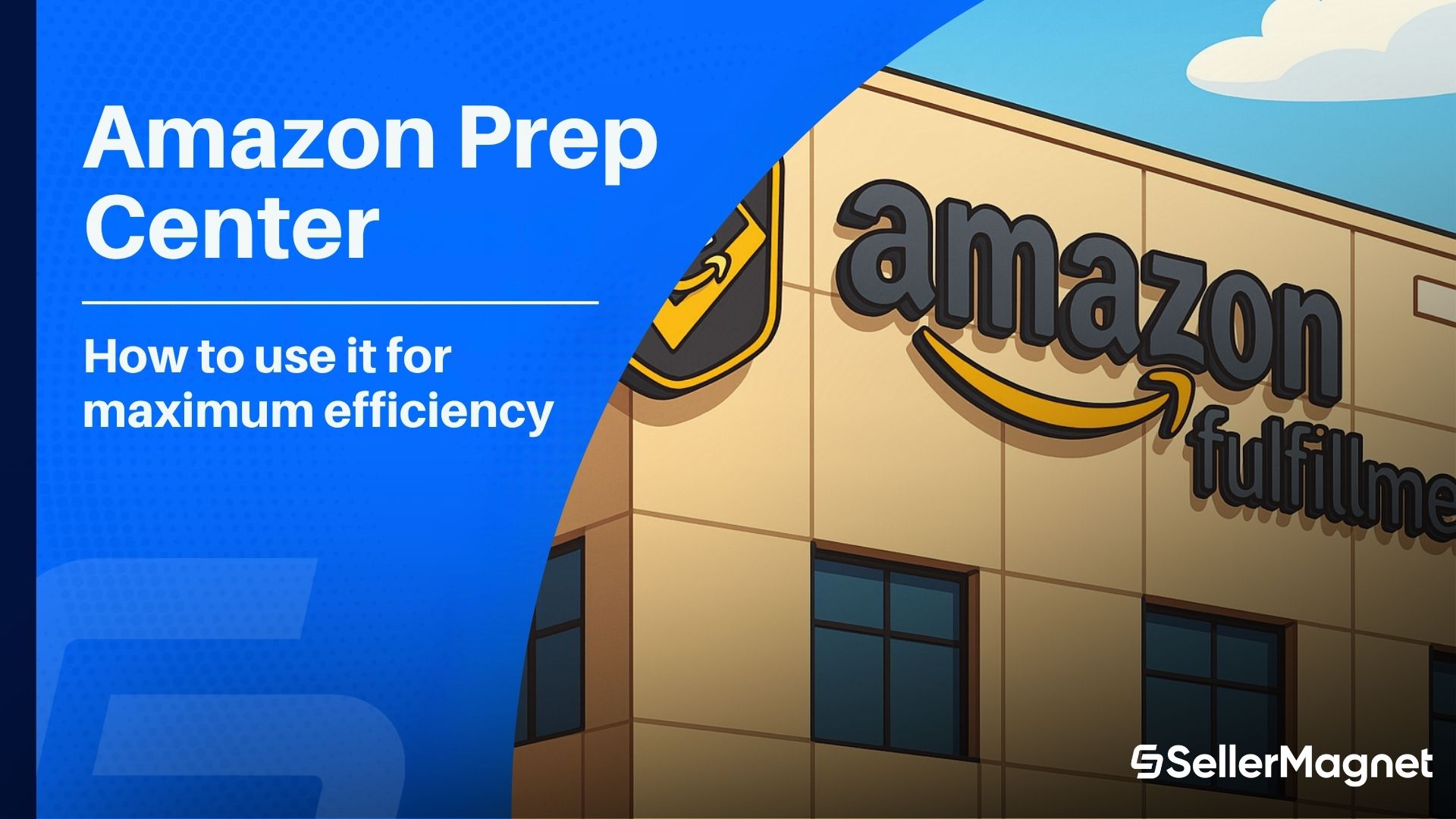
Successful Outsourcing: How to Use an Amazon Prep Center for Maximum Efficiency

|
5 min read
Last updated Jun 04, 2024

Introduction

Using an Amazon Prep Center can play a crucial role in the success of your FBA business. A prep center handles important tasks such as preparing, packaging, and shipping your products, allowing you to focus on other aspects of your business. In this article, we will discuss how to use an Amazon Prep Center for maximum efficiency and what best practices to follow for successful outsourcing.

Benefits of an Amazon Prep Center

An Amazon Prep Center offers numerous benefits that can help make your business more efficient. These include: - Time Savings: You no longer need to handle the time-consuming tasks of product preparation. - Compliance with Amazon Guidelines: Prep centers are familiar with Amazon's requirements and guidelines, ensuring your products are correctly prepared. - Cost Efficiency: Using prep centers can help optimize your storage and shipping costs. - Scalability: Prep centers enable you to scale your business flexibly without the need for additional infrastructure or personnel resources.

Best Practices for Using an Amazon Prep Center

To get the most out of an Amazon Prep Center, you should follow some best practices. These will help you maximize efficiency and ensure your outsourcing runs smoothly.

Clear Communication

Clear and continuous communication with your prep center is crucial. Ensure that you communicate all requirements and expectations clearly. Regular updates and feedback help avoid misunderstandings and optimize collaboration.

Provide Detailed Instructions

Give your prep center detailed instructions on how to prepare and package your products. The more precise the instructions, the more likely it is that your products will be correctly and efficiently prepared. This includes instructions on labeling, packaging, and any special requirements.

Implement Quality Controls

Implement regular quality controls to ensure the prep center's services meet your standards. This can be done through spot checks or by reviewing customer feedback. High quality is crucial for the success of your business.

Use a Central Inventory Management System

Use a central inventory management system to keep track of your stock levels and shipping status. This makes it easier to coordinate with the prep center and helps avoid bottlenecks or overstocking.

Regular Performance Reviews

Conduct regular performance reviews of your prep center. Analyze key metrics such as processing time, error rate, and customer satisfaction. Discuss the results with your prep center and work together on improvements.

Maintain Flexibility

Be flexible and ready to make adjustments. Market conditions and business requirements can change, and your prep center should be able to adapt quickly. Close collaboration and flexibility are key to successful outsourcing.

Utilize Additional Services

Many prep centers offer additional services that can help further optimize your business operations. These include services like labeling, returns management, and quality control. Take advantage of these additional offerings to maximize the value of your outsourcing.

Conclusion

Using an Amazon Prep Center can bring significant benefits to your FBA business. By ensuring clear communication, providing detailed instructions, implementing regular quality controls, and maintaining flexible collaboration, you can maximize efficiency and optimize your business processes. By following the best practices outlined above, you can ensure your outsourcing is successful and your business continues to grow.

Stop Juggling Tools. SellerMagnet Combines Everything You Need.

Join a smarter way to manage your Amazon store.

Recommended Articles
Amazon FBA Reimbursements 2026: Deadlines and Payouts
FBA Inventory Management

Amazon FBA Reimbursements 2026: Deadlines and Payouts

Amazon now reimburses lost FBA inventory at manufacturing cost, not the selling price, and most claim windows close after 60 days. The 2026 rules and audit routine.

Read more
Amazon FBA Storage Fees 2026: Monthly Rates and Surcharges
FBA Inventory Management

Amazon FBA Storage Fees 2026: Monthly Rates and Surcharges

Amazon FBA storage fees 2026: $0.78 per cubic foot Jan-Sep and $2.40 in Q4 for standard sizes, plus the aged-inventory and utilization surcharges. Rates, dates, fixes.

Read more
Amazon Inbound Placement Service Fee 2026: How to Avoid It
FBA Inventory Management

Amazon Inbound Placement Service Fee 2026: How to Avoid It

Amazon's inbound placement service fee is $0.14 to $1.90 per standard-size unit when you ship to one fulfillment center. 2026 rate card, five-cartons rule, how to pay $0.

Read more
Amazon Returns Processing Fee 2026: Thresholds, Rates, Fixes
FBA FBM

Amazon Returns Processing Fee 2026: Thresholds, Rates, Fixes

Amazon's returns processing fee hits FBA products whose 3-month return rate passes the category threshold (2.9% to 12.8%): $1.78 to $5.00 per excess unit. Rates, fixes.

Read more
Amazon Low-Inventory-Level Fee: Rates and How to Avoid It
FBA Inventory Management

Amazon Low-Inventory-Level Fee: Rates and How to Avoid It

Amazon's low-inventory-level fee charges $0.32 to $1.11 per unit when both your 30-day and 90-day days of supply drop under 28. The 2026 FNSKU rule, exemptions and fixes.

Read more
Amazon Holiday Peak Fulfillment Fees 2026: What Sellers Pay
FBA Amazon Updates

Amazon Holiday Peak Fulfillment Fees 2026: What Sellers Pay

Amazon's 2026 holiday peak fulfillment fee runs October 15, 2026 to January 14, 2027: about $0.32 more per unit plus a 3.5% fuel surcharge. Rates, deadlines, margin plan.

Read more

Ready to grow your Amazon business?

Join thousands of sellers using SellerMagnet to automate pricing, track profits, and scale faster.

14-day free trial • Cancel anytime