Maximizing Amazon FBA Profits: Tips and Strategies for New and Experienced Sellers
What is Amazon FBA and why is it so popular?
Understanding FBA Fees
- Fulfillment and packaging fees: These vary based on the size and weight of the product.
- Storage fees: Monthly fees for storing your products in Amazon's warehouses, which are higher during peak seasons.
- Long-term storage fees: Additional fees for products that stay in Amazon's warehouses for more than 365 days.
- Refund fees: If a customer returns a product, Amazon charges a refund processing fee.
Cost Reduction Strategies
- Optimize inventory management: Avoid overstocking, which can lead to high storage and long-term storage fees. Use tools like SellerMagnet to efficiently manage your inventory and improve your turnover rate.
- Choose the right products: Smaller, lighter products incur lower shipping and storage fees. Be selective when choosing products that will be profitable in the long run.
- Regular inventory audits: Monitor your stock regularly to quickly remove slow-moving products and avoid long-term storage fees.
Pricing Strategies to Maximize Profits
Effective Advertising Strategies to Boost Sales
- Set clear goals for your ad campaigns: Define key metrics (click-through rate, conversion rate, ACoS) to measure your campaign's success.
- Use both automated and manual targeting strategies: Combine automatic campaigns with manual ones to identify the best keywords and then target them specifically.
- Regularly monitor and optimize: PPC campaigns should be reviewed and optimized frequently to ensure they remain profitable.
Improving Customer Reviews
- Offer excellent customer service: Fast response times and hassle-free returns encourage customers to leave positive reviews.
- Use automated review systems: Tools like SellerMagnet can help you send automated review requests to customers, increasing the number of reviews you receive.
- Ensure product descriptions are accurate: Avoid misunderstandings and negative reviews by providing clear and detailed product descriptions.
Conclusion
Stop Juggling Tools. SellerMagnet Combines Everything You Need.
Join a smarter way to manage your Amazon store.

Recommended Articles
Amazon EU Fuel and Logistics Surcharge 2026: 1.5% to 2%
Amazon's EU and UK fuel and logistics surcharge rose from 1.5% to 2% on 2 November 2026 (FBA) and 19 November 2026 (MCF). The dates, stores, and a transparent worked example of the percentage math.
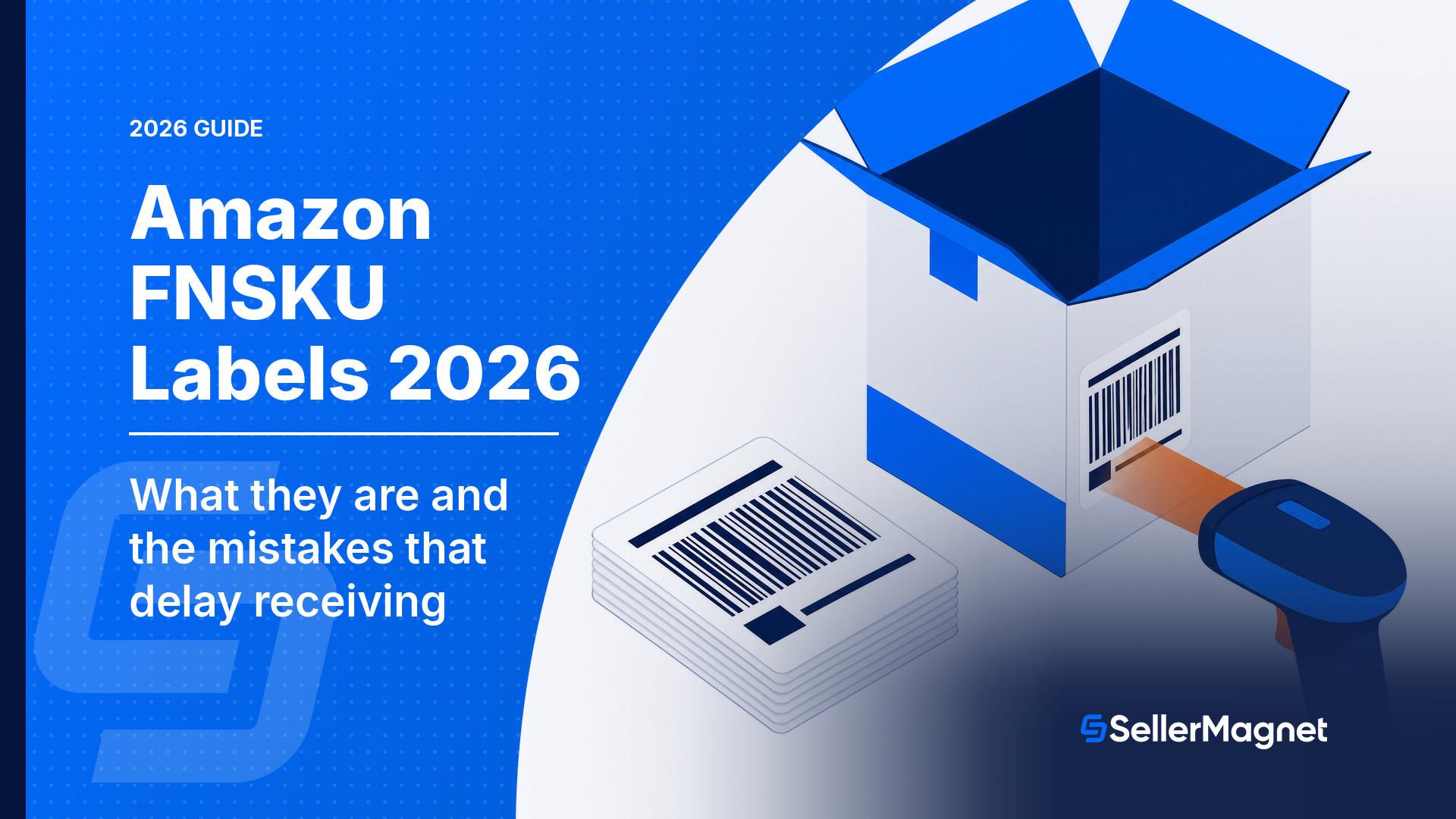
Amazon FNSKU Labels 2026 Guide
What an FNSKU actually is, when a physical label is required versus stickerless commingling, how to print one, and the placement mistakes that delay receiving.
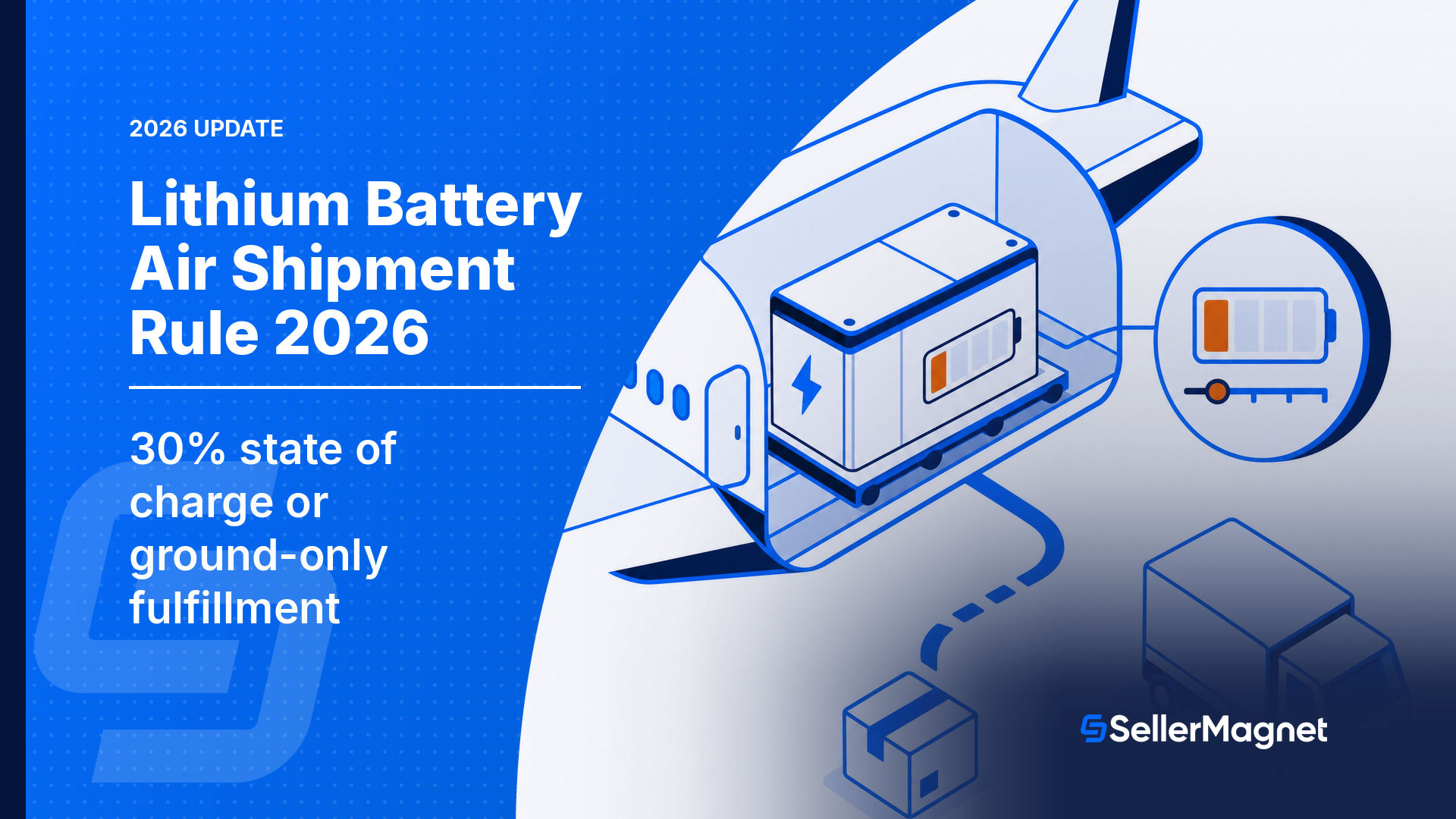
Amazon Lithium Battery Air Shipment Rule 2026: The 30% State-of-Charge Requirement
Amazon's 2026 lithium-ion battery air shipment rule: the 30% state-of-charge requirement above 2.7 Wh, the ground-only fallback, the dangerous goods battery questions, and the separate region energy-content table.
Amazon FBA Removal, Disposal and Liquidation Fees 2026
The 2026 Amazon FBA removal, disposal and liquidation fee tables, how a liquidation payout is actually calculated, and a worked cost comparison on the same batch of inventory.
Amazon's 2027 FBA Fee Changes: What Rises, What Gets Simpler
Amazon's 2027 FBA fulfillment fee changes explained: the real rate tables, a worked example, the storage fee simplification, and what to check before January 15.
Amazon Aged Inventory Surcharge (2026): The Fee Separate From Storage
How Amazon's aged inventory surcharge works: the full fee-by-age table, a worked 500-unit example, and when a removal order beats paying it again.