FREEASIN Converter, Fee Calculator and more free tools, no signup required
Step-by-Step Guide to Choosing the Right Amazon Prep Center
FBA Inventory Management

Step-by-Step Guide to Choosing the Right Amazon Prep Center

|
5 min read
Last updated: Oct 25, 2026

Introduction

Choosing the right Amazon Prep Center can play a crucial role in the success of your FBA business. A prep center handles important tasks such as preparing, packaging, and shipping your products. In this step-by-step guide, we will show you what to look for when choosing a prep center and what questions to ask to make the best decision.

Step 1: Define Your Needs and Requirements

Before you start looking for a prep center, it is important to define your specific needs and requirements. Consider what services you need and what expectations you have of the prep center. This may include: - Type and scope of services (e.g., packaging, labeling, quality control) - Storage capacities - Experience with specific product categories - Speed and reliability - Cost structure

Step 2: Research and Create a List of Potential Prep Centers

Once you have defined your requirements, you can start your research. Look for prep centers that meet your criteria and create a list of potential candidates. Use various sources such as online search engines, forums, recommendations from other sellers, and Amazon-specific resources.

Step 3: Check Reviews and References

An important step in choosing a prep center is checking reviews and references. Look for reviews from other sellers who have worked with the prep centers. Pay attention to recurring themes in the reviews, such as reliability, communication quality, and problem-solving skills. If possible, speak directly with other sellers to hear their personal experiences.

Step 4: Contact and Initial Conversations

Contact the prep centers on your list and have initial conversations. Use this opportunity to learn more about their services, prices, and processes. Ask specific questions to ensure they can meet your requirements. Here are some questions to ask: - What services do you offer? - How quickly can you prepare and ship products? - What experience do you have with my product category? - What is your pricing structure? - What measures do you take for quality assurance?

Step 5: Cost Analysis and Comparison

Compare the cost structures of the different prep centers you are considering. Look not only at the basic fees but also at additional costs that may arise, such as for special packaging, labels, or storage. Make sure you have a clear understanding of the total costs before making a decision.

Step 6: Trial Order and Test Phase

Before you make a final decision on a prep center, it is advisable to place a trial order and go through a test phase. Have the prep center prepare and ship a small batch of your products to test their performance in practice. Pay attention to the quality of the packaging, the speed, and the communication during the process.

Step 7: Long-term Cooperation and Monitoring

After a successful test phase, you can enter into long-term cooperation with the prep center. However, it is important to continuously monitor performance and provide regular feedback. Ensure that the prep center meets your expectations and makes adjustments as needed. Open and transparent communication is key to a successful partnership.

Conclusion

Choosing the right Amazon Prep Center is an important step for the success of your FBA business. By clearly defining your needs, thoroughly researching, checking reviews, and conducting a test phase, you can ensure that you find the best prep center for your requirements. Careful selection and close collaboration with your prep center will help you optimize your business processes and pave the way for long-term success.

Stop Juggling Tools. SellerMagnet Combines Everything You Need.

Join a smarter way to manage your Amazon store.

Recommended Articles
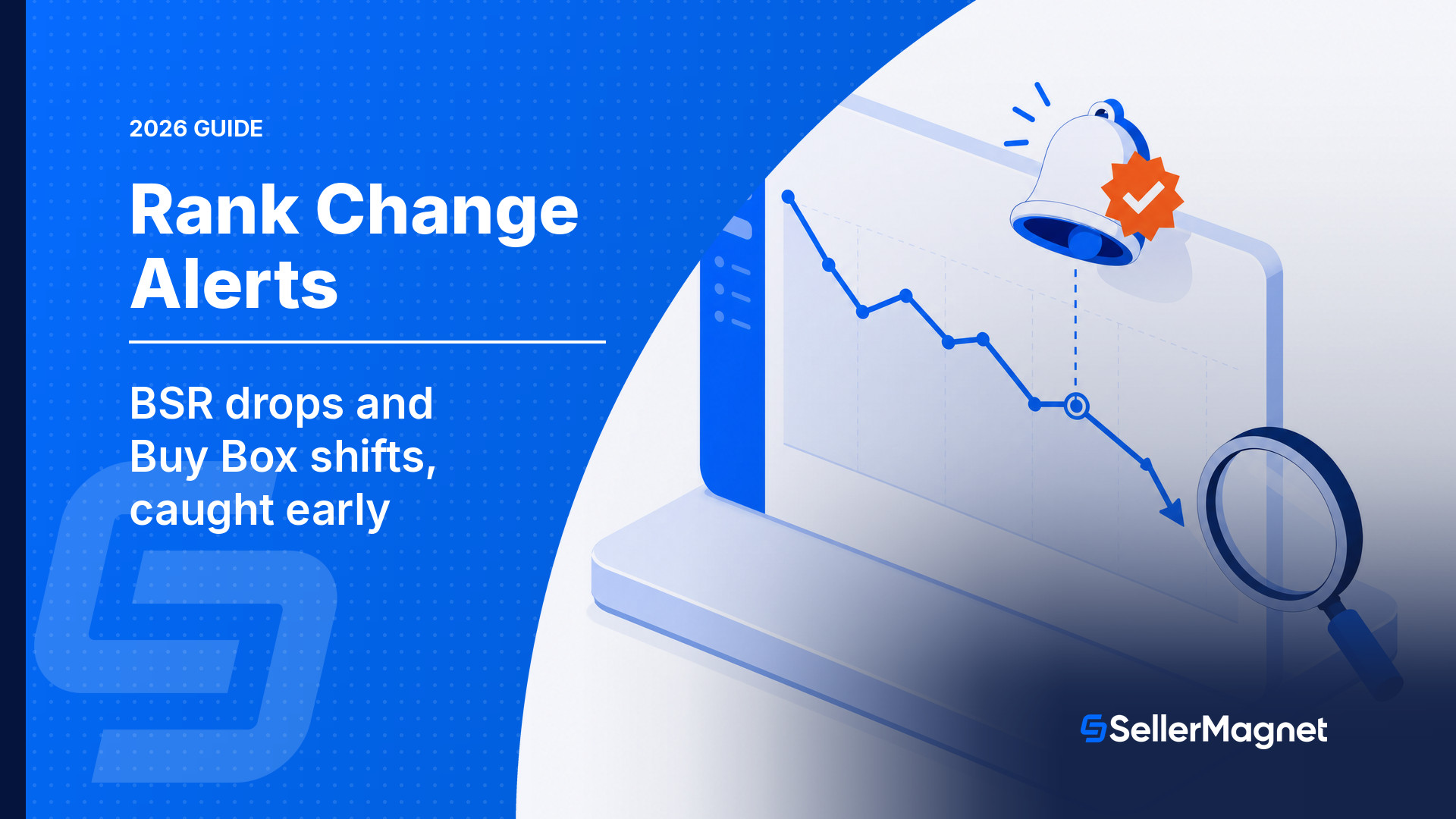
Amazon Rank Change Alerts 2026 Guide
Inventory Management BuyBox

Amazon Rank Change Alerts 2026 Guide

Why Best Sellers Rank lags a real problem by up to 12 hours, the events that actually move it, and how to catch a Buy Box or rank change the hour it happens instead of days later.
Read more
Amazon EU Fuel and Logistics Surcharge 2026: 1.5% to 2%
FBA Amazon Updates

Amazon EU Fuel and Logistics Surcharge 2026: 1.5% to 2%

Amazon's EU and UK fuel and logistics surcharge rose from 1.5% to 2% on 2 November 2026 (FBA) and 19 November 2026 (MCF). The dates, stores, and a transparent worked example of the percentage math.
Read more
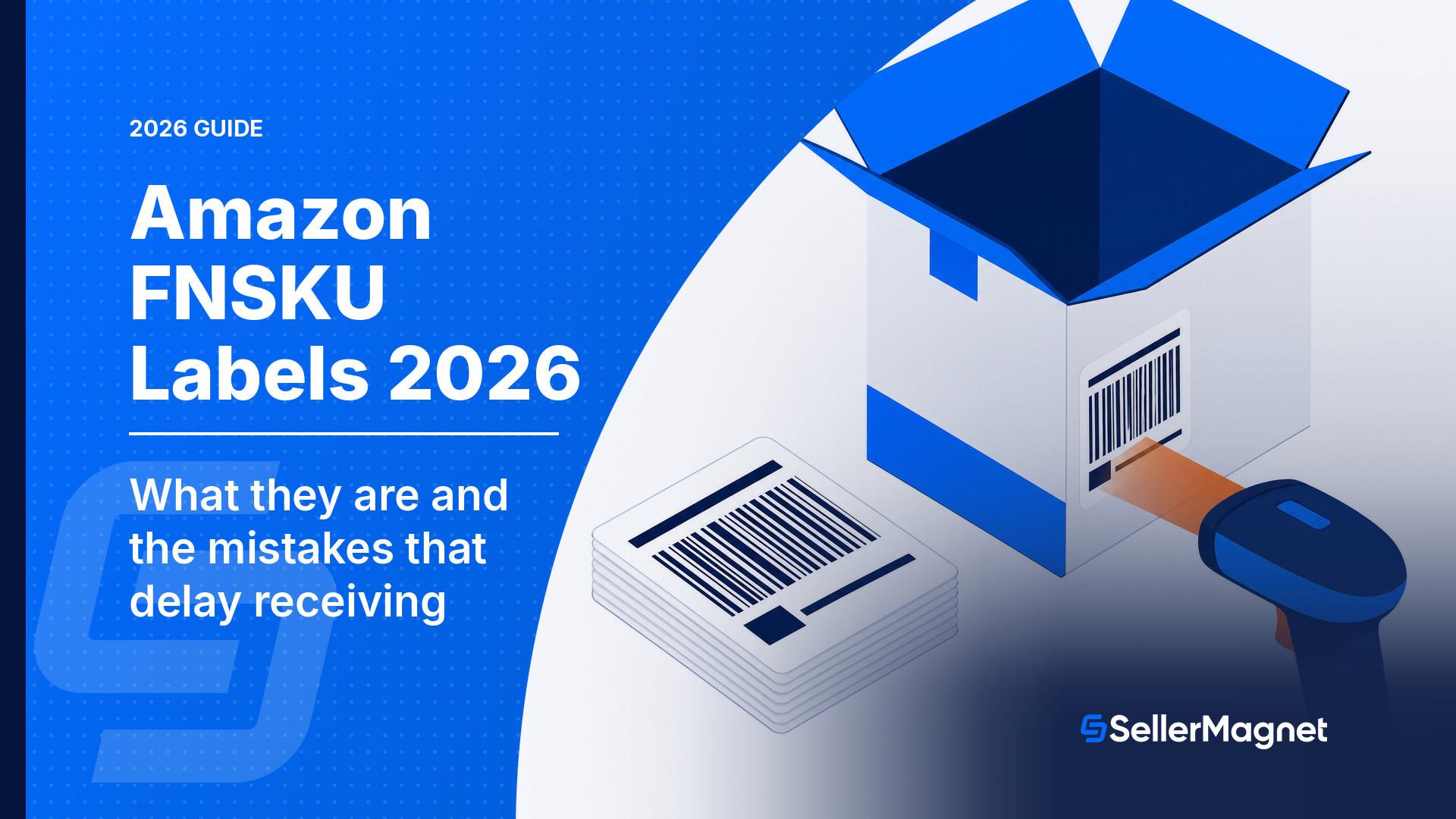
Amazon FNSKU Labels 2026 Guide
Amazon Basics FBA

Amazon FNSKU Labels 2026 Guide

What an FNSKU actually is, when a physical label is required versus stickerless commingling, how to print one, and the placement mistakes that delay receiving.
Read more
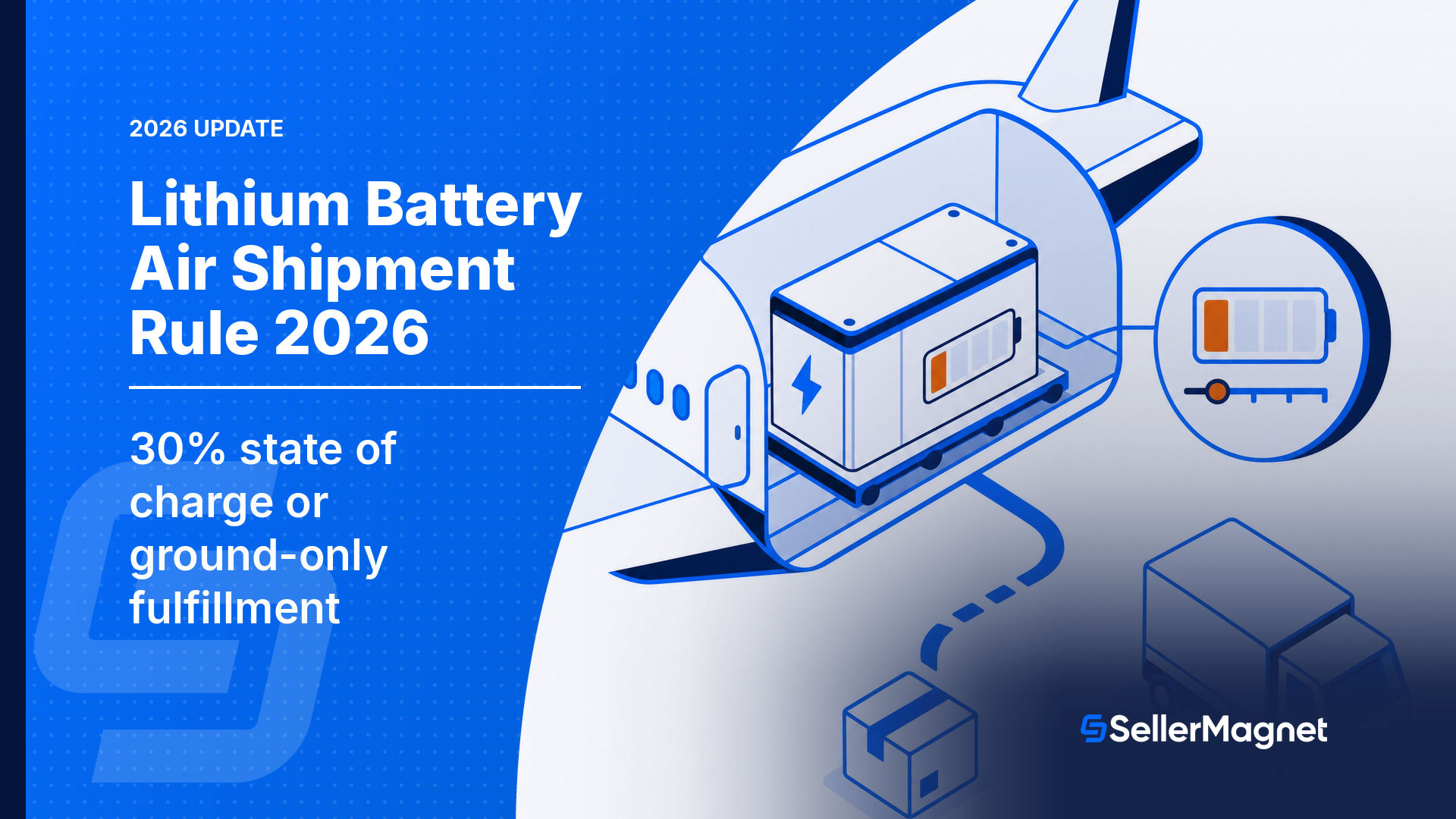
Amazon Lithium Battery Air Shipment Rule 2026: The 30% State-of-Charge Requirement
Amazon Updates FBA

Amazon Lithium Battery Air Shipment Rule 2026: The 30% State-of-Charge Requirement

Amazon's 2026 lithium-ion battery air shipment rule: the 30% state-of-charge requirement above 2.7 Wh, the ground-only fallback, the dangerous goods battery questions, and the separate region energy-content table.
Read more
Amazon FBA Removal, Disposal and Liquidation Fees 2026
FBA Inventory Management SellerMagnet Tools

Amazon FBA Removal, Disposal and Liquidation Fees 2026

The 2026 Amazon FBA removal, disposal and liquidation fee tables, how a liquidation payout is actually calculated, and a worked cost comparison on the same batch of inventory.
Read more
Amazon's 2027 FBA Fee Changes: What Rises, What Gets Simpler
FBA SellerMagnet Tools

Amazon's 2027 FBA Fee Changes: What Rises, What Gets Simpler

Amazon's 2027 FBA fulfillment fee changes explained: the real rate tables, a worked example, the storage fee simplification, and what to check before January 15.

Read more

Ready to grow your Amazon business?

Used on nearly 800 Amazon projects to automate pricing, track profits and scale faster.

14-day free trial • Cancel anytime