R
René
Freelance Amazon Editor
|
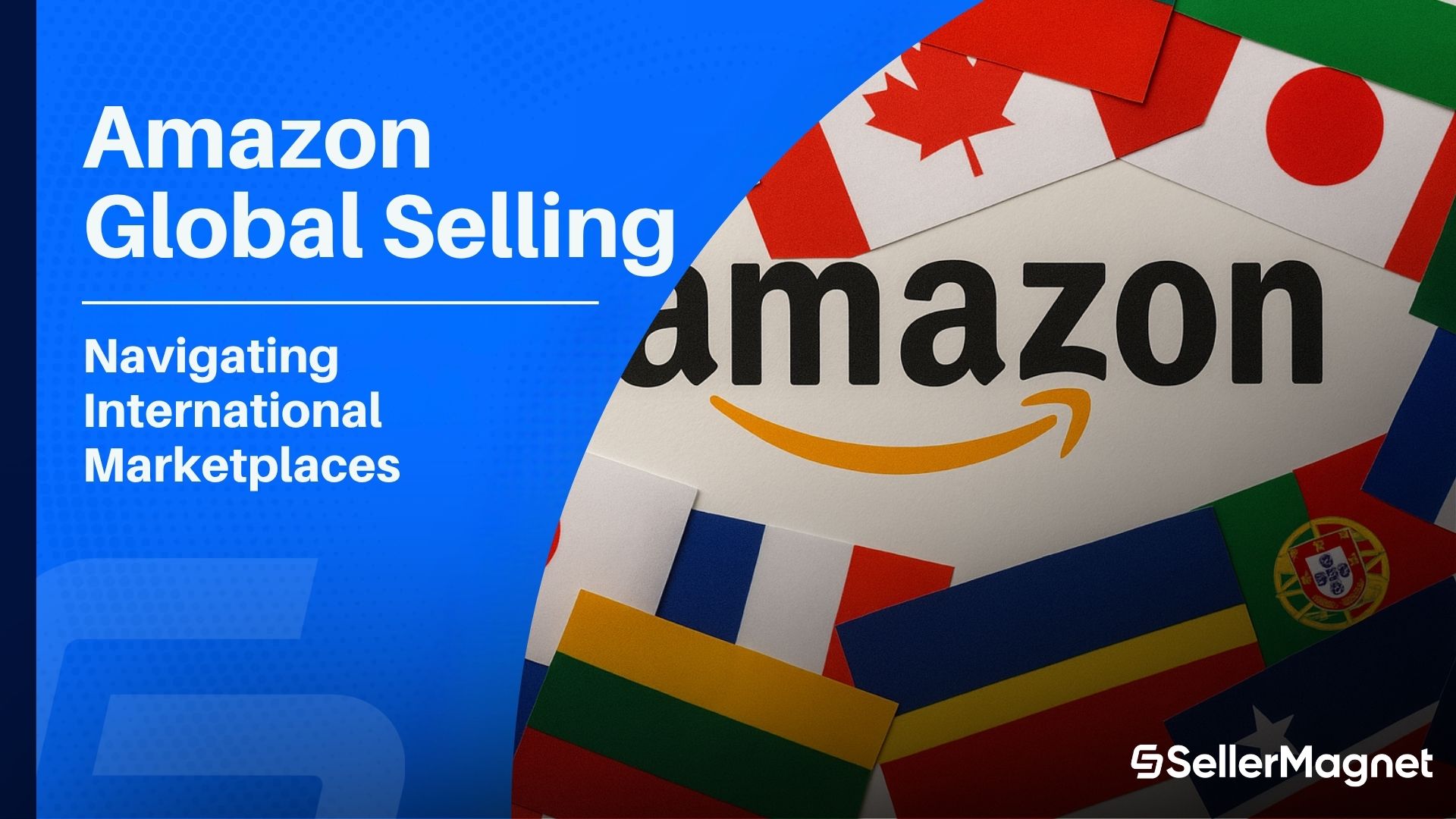
Expanding your Amazon business to international marketplaces can open up a world of opportunities. With Amazon’s global reach, sellers have access to millions of potential customers in various countries. However, venturing into international markets comes with its own set of challenges and considerations. From navigating different regulations to managing logistics and currency conversion, global selling requires careful planning and execution.
In this comprehensive guide, we’ll explore the benefits and challenges of expanding your Amazon business internationally, discuss the key factors you need to consider, and provide tips for successful cross-border selling.
The Benefits of Expanding to International Marketplaces
One of the most significant advantages of selling internationally is the potential to reach millions of new customers. Expanding to markets like Europe, Asia, and North America can exponentially increase your customer base, allowing you to tap into new sources of revenue. Selling in multiple markets also diversifies your revenue streams, reducing your dependence on a single market and helping mitigate risks associated with market fluctuations, economic downturns, or changes in consumer behavior. Additionally, by successfully navigating the complexities of international expansion, you can gain a competitive advantage over sellers who only operate domestically, enhancing your brand’s reputation and credibility. Moreover, different regions have varying consumer preferences and trends, allowing you to capitalize on market trends that may be unique to specific regions.
Challenges of Selling Internationally on Amazon
Each country has its own set of regulations governing e-commerce, product standards, labeling, and import/export requirements. Understanding and complying with these regulations is essential to avoid legal issues, fines, or product seizures. When selling internationally, you’ll need to manage transactions in multiple currencies, and currency conversion can affect your profitability due to fluctuating exchange rates and potential fees. Shipping products to international markets involves more complex logistics than domestic shipping, requiring consideration of factors like shipping costs, delivery times, customs clearance, and international carriers. Additionally, language barriers and cultural differences can impact how you communicate with customers, market your products, and provide customer support. Understanding the tax implications of selling in different countries is also crucial, as you may be required to register for value-added tax (VAT) in certain regions and manage import duties and taxes on imported goods.
Key Considerations for International Expansion
When considering international expansion, it’s important to choose the right marketplaces. Amazon operates in numerous countries, and the most popular marketplaces include the United States, Canada, United Kingdom, Germany, France, Italy, Spain, Japan, and Australia. Start by researching which markets are most likely to be profitable for your products, considering factors like local demand, competition, and the regulatory environment. Before launching in a new market, ensure that your products comply with local regulations and standards, which may involve obtaining certifications or testing your products to meet safety, environmental, or labeling requirements. When creating product listings for international marketplaces, it’s essential to optimize your listings for local search terms, cultural preferences, and customer expectations. Amazon offers currency conversion services, allowing you to receive payments in your local currency, and offers several fulfillment options for international sellers, including Fulfillment by Amazon (FBA) and Merchant Fulfilled Network (MFN). Understanding the tax obligations in each country, such as VAT registration and managing import duties, is also crucial for international success.
Tips for Successful Cross-Border Selling
If you’re new to international selling, it’s wise to start with a single market before expanding to others. Amazon offers a range of tools and services to help sellers navigate international markets, including the Global Selling program and Seller Central dashboard, which allows you to manage multiple marketplaces from a single account. Optimizing for local search engine optimization (SEO) is also important, as research into local keywords and cultural nuances can improve your visibility and rankings in the local Amazon search results. Providing excellent customer support, tailored to the expectations and cultural preferences of each region, is key to success. Monitoring performance and making adjustments as needed is crucial for long-term success in international markets.
Conclusion
Expanding your Amazon business to international marketplaces can be a rewarding endeavor, offering access to new customers and growth opportunities. However, it requires careful planning, compliance with local regulations, and a deep understanding of the unique challenges and opportunities in each market. By following the strategies outlined in this guide, you can navigate the complexities of cross-border selling and successfully expand your Amazon business globally.